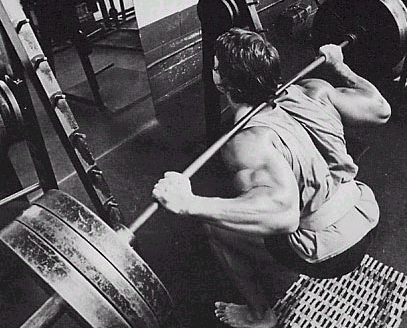
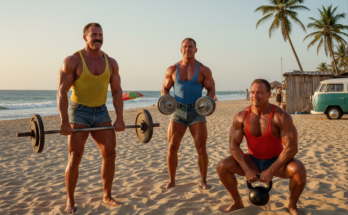
In the world of fitness, we often find ourselves bombarded with high-tech gadgets and flashy workout equipment promising the perfect body. However, there’s something beautifully nostalgic about the fitness regimes of yesteryears, especially when it comes to training those all-important abdominal muscles. Today, let’s journey back to the golden age of fitness—the era of vintage muscles—and explore how abs were trained during this fascinating period.
The Rise of Muscle Culture
The term “vintage muscles” evokes images of early 20th-century bodybuilders, from Eugen Sandow to Charles Atlas, who defined strength and aesthetics long before the modern gym embodied our workout culture. During this period, physical fitness was not just a means to an end; it was a lifestyle embraced by many. These icons paved the way for an entire movement that emphasized natural strength, symmetry, and the importance of core stability.
Back in the day, most individuals didn’t have access to the elaborate machines that dot today’s gyms. Instead, they relied on bodyweight exercises, free weights, and simple movements that engaged the core—ultimately leading to impressive abs. This vintage approach wasn’t just about aesthetics; it celebrated functionality and strength, promoting an overall healthy physique.
The Essential Elements of a Vintage Abs Workout
So, what did an abs workout look like in the golden age of muscle culture? Simplicity was key. Here are some staple exercises that were commonly incorporated into vintage abs workouts:
- Hanging Leg Raises: Often performed on a sturdy bar, this exercise engages the lower abdomen effectively. Vintage icons would hang from a bar and lift their legs, emphasizing control and form over mindless repetition.
- Planks and Side Planks: While the plank has gained popularity in recent years, its roots can be traced back to this era. Early fitness enthusiasts understood the importance of core stability, utilizing planks to strengthen their abdominals and improve overall posture.
- Sit-Ups with Variations: The classic sit-up has endured the test of time and for good reason. Vintage workouts included various modifications—like single-leg sit-ups or twisting sit-ups—that targeted different areas of the abdominal muscles.
- Medicine Ball Throws: A beloved tool, medicine balls were used not only for building strength but also for improving explosive power. Exercises typically involved throwing the ball against a wall or to a partner, harnessing the core’s rotational strength.
This diverse range of exercises emphasized higher repetitions and focused on proper form. Unlike today’s tendency for quick results via flashy gadgets, vintage abs workouts demanded dedication and patience—much like the bodybuilders themselves.
The Philosophy Behind Vintage Training
What set vintage muscles apart from modern training is the philosophy underlying the workouts. The core belief was that a strong midsection was crucial for performing everyday tasks and enhancing athleticism. Strength training was seen as a holistic approach, where the entire body worked in harmony rather than isolating specific muscle groups.
Competing in bodybuilding competitions during this time wasn’t solely about aesthetics; it was a display of strength, discipline, and artistic expression. As a result, those training for such events dedicated their efforts to developing an impeccable, symmetrical physique, with well-defined abs being a hallmark of success.
Additionally, the emphasis on bodyweight movements fostered functional strength. These workouts were designed not just to create visually appealing abs but also to build a solid foundation for athletes and everyday individuals alike.
Lessons from the Past: Embracing Vintage Workouts Today
Incorporating vintage abs workouts into modern fitness regimes can yield incredible benefits. Here are a few takeaways for anyone looking to embrace this nostalgic approach:
- Prioritize Form Over Quantity: Focus on executing each movement with precision rather than rushing through your reps. Quality always wins over quantity!
- Utilize Bodyweight: Embrace exercises that rely on your body weight. They are not only effective but also require no equipment—perfect for home workouts.
- Engage Your Core Throughout: Whether you’re lifting weights or performing cardio, make it a habit to engage your core. This practice builds stability and prevents injury.
- Embrace Variety: Mix and match exercises to keep your routine fresh and exciting. Don’t forget to listen to your body and adjust as needed!
By integrating these principles into your abs workouts, you can cultivate a deeper understanding of your body while developing the chiseled abs typical of vintage muscles.
Conclusion
The legacy of vintage muscles underscores the timeless value of dedicated, thoughtful training. Abs workouts from the golden age of fitness remind us that achieving a strong core requires more than just gimmicky tools and quick fixes; it demands commitment, creativity, and respect for one’s body. So, as you step onto the mat or grab that medicine ball, remember the spirit of those who laid the groundwork for modern fitness. Embrace the vintage values, and your abs will thank you!