Building Vintage Muscles: Biceps
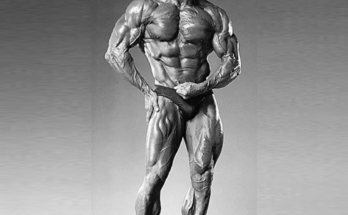
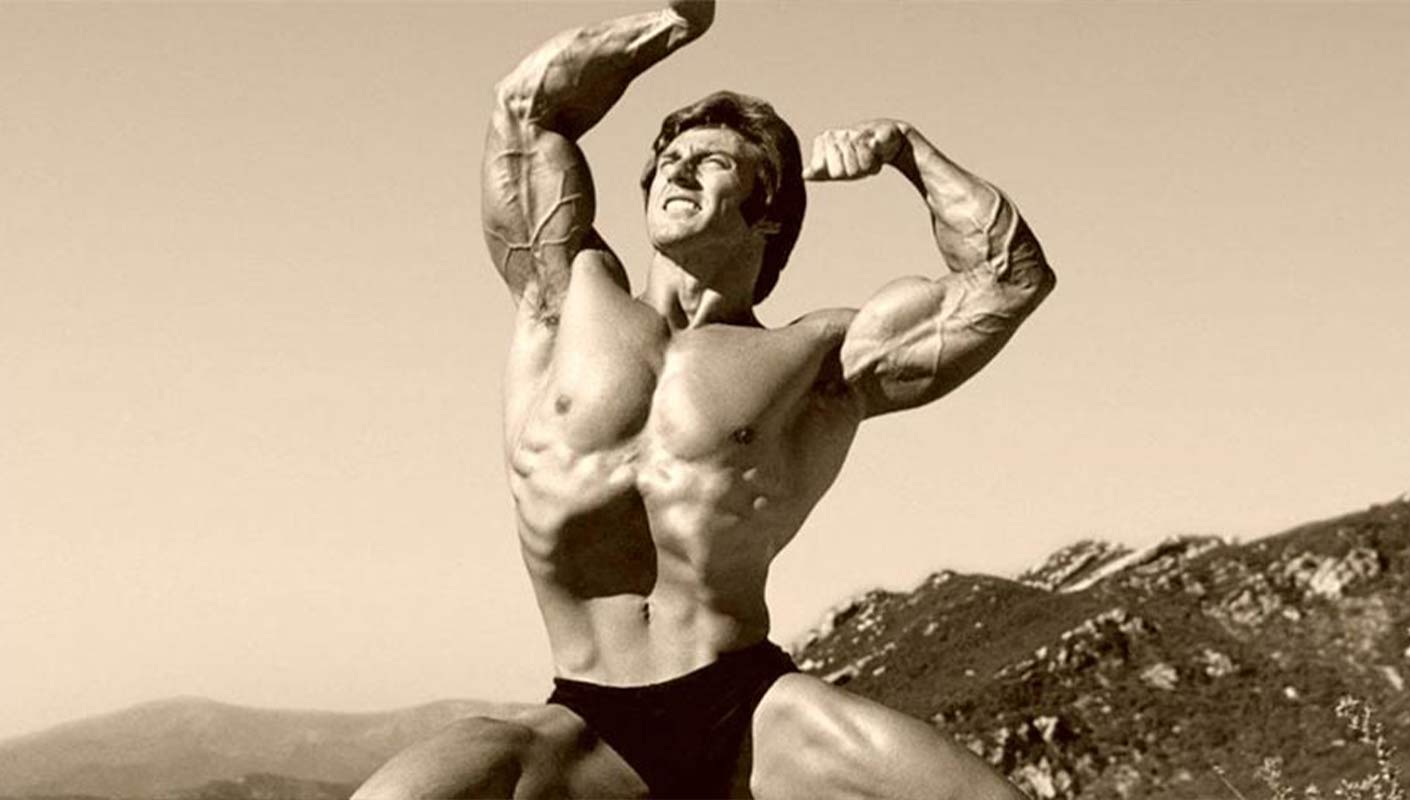
The Golden Age Approach to Biceps Training: When we think about the golden age of bodybuilding, images of classic physiques come to mind—chiseled muscles, perfect symmetry, and that unmistakable vintage muscle appeal. Among all the muscle groups, biceps have always held a special place in this era’s training regimen. These “show muscles” were not just about size; the focus was on quality, definition, and raw strength. In this article, we’ll dive deep into how golden age bodybuilders trained their biceps, revealing timeless techniques that prioritized muscle aesthetics and power.
The Golden Age Philosophy: Quality Over Quantity
During the golden age of bodybuilding, roughly spanning the 1940s to the 1970s, athletes approached training with a mindset that emphasized muscle quality rather than just sheer bulk. Biceps training was no exception. The goal wasn’t to lift the heaviest weight possible but to sculpt well-defined and proportionate biceps that complemented the overall physique.
Vintage muscle enthusiasts and legends like Steve Reeves, Reg Park, and Frank Zane demonstrated that controlled movements and impeccable form were far superior to mindless heavy lifting. Each repetition was performed with precision to maximize muscle fiber engagement, creating biceps that were both aesthetically pleasing and functionally strong.
Classic Biceps Exercises: Building Timeless Vintage Muscles
The cornerstone of golden age biceps training rested on a handful of fundamental exercises. Bodybuilders favored movements that allowed them to isolate the biceps brachii effectively, focusing on the “peak” and full contraction of the muscle. Here’s a look at some of the most popular vintage biceps exercises:
- Barbell Curls: Considered a staple, barbell curls were performed with strict form. Unlike modern variations that sometimes encourage swinging or cheating, golden era lifters maintained a steady tempo, emphasizing the eccentric (lowering phase) to build thickness and density.
- Dumbbell Curls: Alternating dumbbell curls allowed for an excellent range of motion and better muscle isolation. Many lifters would supinate the wrist (turn it from palm-down to palm-up) mid-curl to fully engage the biceps muscle belly.
- Concentration Curls: This exercise was crucial for achieving the iconic biceps peak. By sitting down and curling one arm at a time, bodybuilders could focus intensely on contraction and mind-muscle connection.
- Preacher Curls: Preacher bench curls helped eliminate momentum, forcing pure biceps engagement throughout the set. This exercise contributed to the dense, “vintage muscle” look that defined the golden age.
Training Principles that Shaped Vintage Muscle Definition and Strength
To attain the legendary biceps definition seen in classic photos, golden age bodybuilders adhered to several key training principles that differ from many contemporary programs:
- Moderate Volume, High Intensity: Instead of endless sets, the focus was on doing a few well-executed sets near failure. This approach enhanced muscle density and strength without causing excessive fatigue.
- Controlled Tempo: The speed of each rep mattered. Lifters often used a slow lowering phase to increase time under tension, which was essential for muscle definition and growth.
- Strict Form: Cheating was frowned upon. Every movement was deliberate, ensuring the biceps took the brunt of the work rather than relying on momentum or auxiliary muscles.
- Consistency and Patience: Results didn’t come overnight. Golden era champions trained regularly but allowed sufficient recovery, understanding that muscle maturity required time.
- Nutrition and Recovery: While today’s supplements were unavailable, diet consisted of wholesome, protein-rich foods that supported muscle repair and growth. Rest and sleep were equally important to solidify gains.
Why Vintage Muscles Still Inspire Modern Training
The vintage muscle era offers invaluable lessons for anyone seeking well-shaped, strong biceps. Modern training often chases bigger and faster results, sometimes sacrificing muscle quality for quantity. However, the golden age reminds us that true muscular excellence comes from balance—combining strength with aesthetic refinement.
Recreating a vintage muscle biceps workout means dialing back heavy ego-lifting and temporary pump chasing. Instead, it focuses on mindful, controlled curls that build dense, defined muscles. It’s about respecting the muscle’s anatomy, maintaining perfect form, and embracing the patience necessary to cultivate that timeless look. Whether you’re a beginner or an advanced lifter, integrating these classic methods can elevate your biceps training to new heights.
Conclusion: Bringing Vintage Muscle Wisdom to Your Biceps Routine
The golden age of bodybuilding left behind a legacy of impressive physiques shaped by thoughtful and effective training. When it comes to biceps, the emphasis on quality, definition, and strength created arms that were not only powerful but also visually captivating. By revisiting the workouts and principles of vintage muscle legends, you can develop biceps that stand the test of time—muscles that are as much about artistry as they are about strength.
So next time you hit the gym, remember the wisdom of the golden age. Focus on controlled, precise movements, moderate volume, and respectful recovery. Your biceps will thank you with lasting strength and a classic look that never goes out of style.