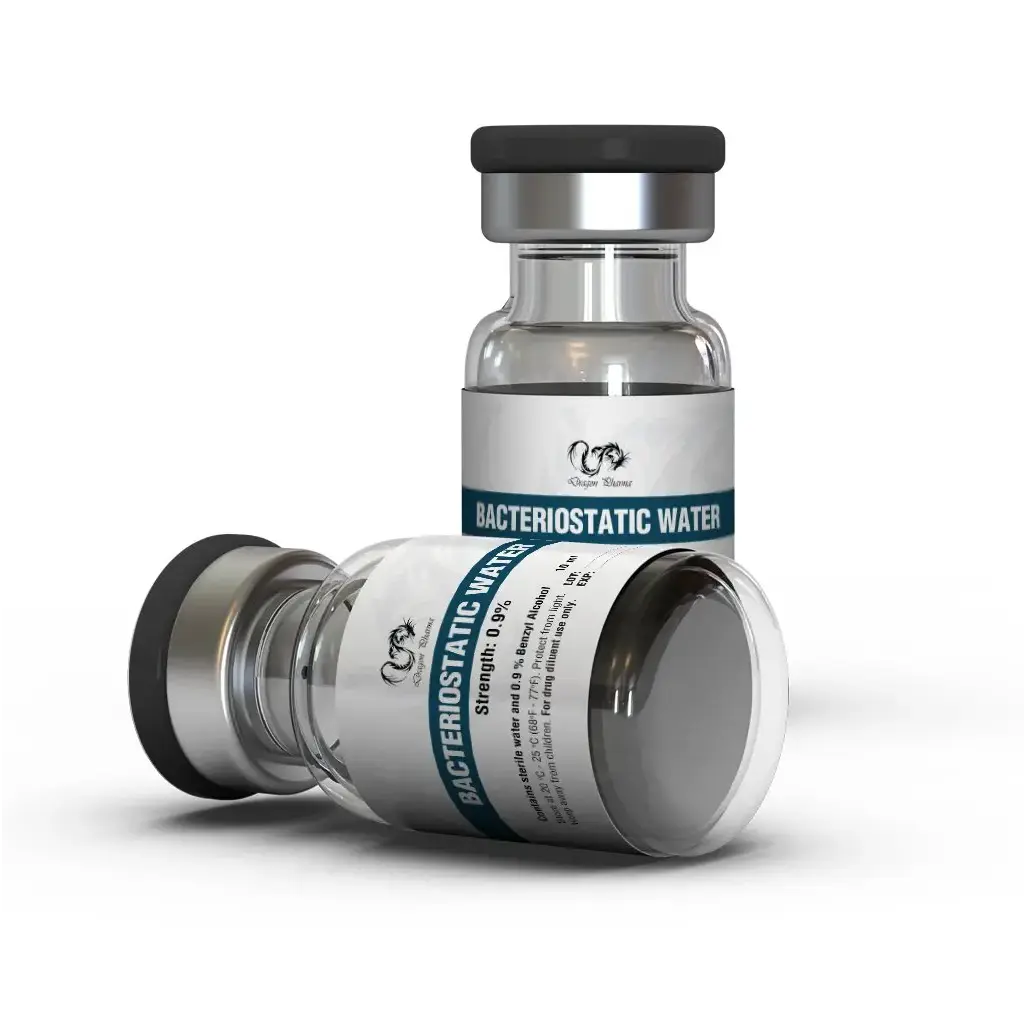
Understanding Bacteriostatic Water: Composition, History, and Applications in Medicine
Bacteriostatic water is a term you may have come across in various medical or pharmaceutical contexts. But what exactly does it mean? This clear, sterile solution contains a small amount of an antimicrobial agent, usually benzyl alcohol, which prevents the growth of bacteria. In this article, we will explore what bacteriostatic water is made of, its historical introduction to the market, its applications in medicine, and its role in reconstituting peptides.
What is Bacteriostatic Water?
Bacteriostatic water is a sterile water solution specifically designed for diluting or dissolving medications for injection. It’s crucial for preserving the integrity of certain medications that cannot be mixed with regular saline or water due to their sensitivity to bacterial contamination. The presence of a bacteriostatic agent allows the solution to be stored for longer periods without the risk of bacterial growth, making it a valuable resource in various medical practices.
Composition of Bacteriostatic Water
The primary component of bacteriostatic water is sterile water, but what sets it apart is the inclusion of an antimicrobial agent such as benzyl alcohol. Typically, bacteriostatic water contains 0.9% (w/v) benzyl alcohol in the solution. This small percentage acts as a preservative, ensuring that any microorganisms present are inhibited from multiplying. The formulation is critical when preparing solutions for injectable medications, as maintaining sterility is paramount in reducing infection risks.
The Historical Emergence of Bacteriostatic Water
Bacteriostatic water first emerged on the medical market in the mid-20th century, coinciding with the increasing need for safer and more effective medication administration techniques. As injectable drugs gained popularity, healthcare providers recognized the need for a product that could minimize the risk of contamination during preparation and administration. This led to the development and subsequent approval of bacteriostatic water for use in medical settings. Over the decades, it has become a staple in hospitals, clinics, and pharmacy settings, showcasing the importance of maintaining sterile conditions in medication preparation.
Applications of Bacteriostatic Water in Medicine
One of the primary uses of bacteriostatic water is in the preparation of injectable medications. It provides an optimal solution for diluting powdered medications to the desired concentration before administration. For instance, many medications require dilution to minimize irritation upon injection or to achieve specific dosages that are safe for patient use. Bacteriostatic water ensures these medications remain free from microbial contamination.
Moreover, bacteriostatic water is utilized extensively in the realm of vaccinations, where precision in dosage and sterility is critical. The ability of this solution to inhibit bacterial growth extends its application to other scenarios, including the storage of certain biological samples and components used in laboratory settings.
Is Bacteriostatic Water Used to Reconstitute Peptides?
Yes, bacteriostatic water is often used for reconstituting peptides. Many peptides, especially those used for therapeutic purposes, are typically supplied in powdered form to ensure stability. When preparing these peptides for injection, practitioners will frequently use bacteriostatic water to dissolve the powder into a liquid form. This method not only helps maintain the peptides’ efficacy but also ensures that any potential exposure to harmful bacteria is minimized.
In the world of fitness and bodybuilding, some individuals utilize peptide injections to promote muscle growth, fat loss, or enhance recovery. Here, the role of bacteriostatic water in reconstituting these peptides cannot be overstated; it plays a pivotal role in providing a safe and effective means of preparation.
Conclusion
Bacteriostatic water is much more than just sterile water; it is a crucial element in the safe administration of injectable medications and peptides. With its unique composition and bacteriostatic properties, it helps ensure the integrity of various medical treatments. From its historical inception to its current-day applications, understanding bacteriostatic water highlights its significance in modern medicine. Whether you’re a healthcare professional or someone looking into peptide therapies, knowing about bacteriostatic water equips you with essential information for safe and effective medical practices. Remember, whether it’s for diluting medications or reconstituting peptides, the importance of using an appropriate solution like bacteriostatic water cannot be understated.