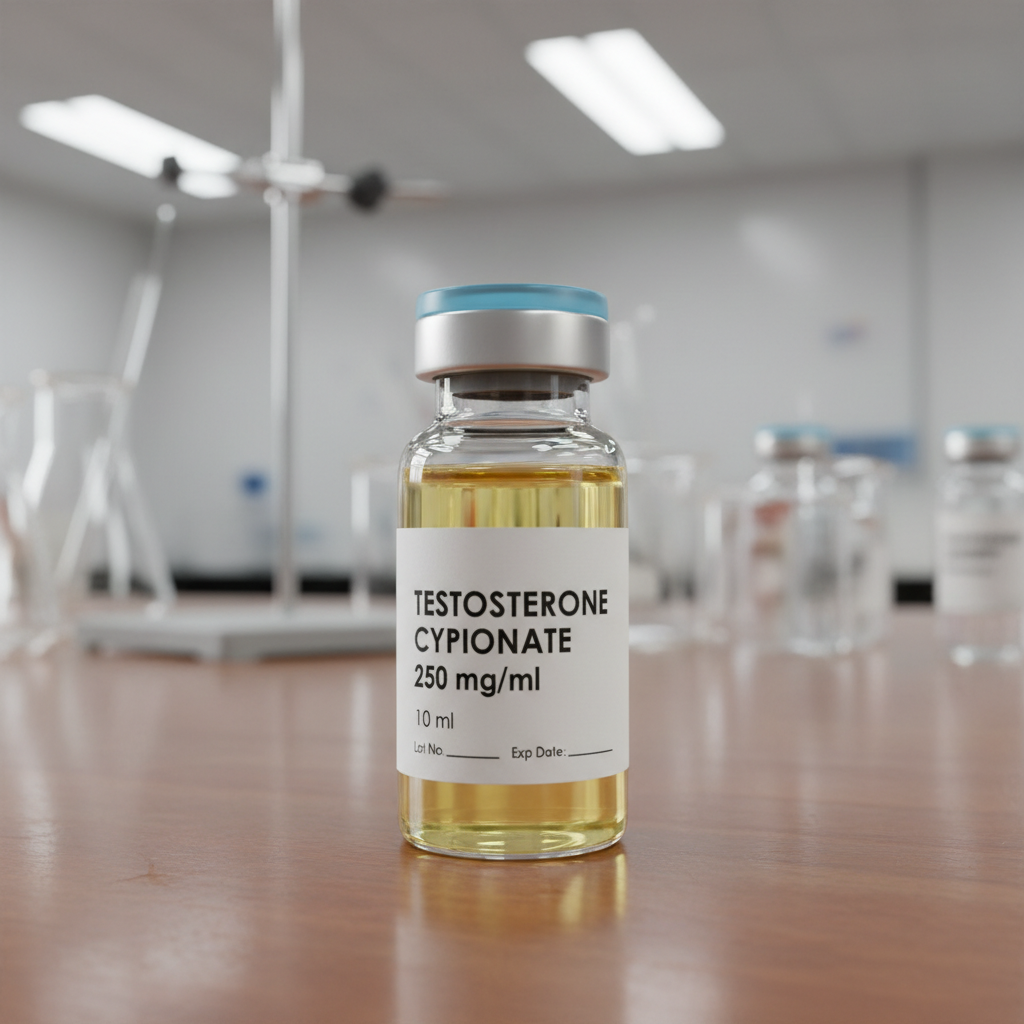
Testosterone cypionate stands as one of the most widely recognized and utilized forms of testosterone therapy for men. Whether used for medical purposes or performance enhancement, understanding this compound’s history, how it works in the body, and its applications is essential for anyone interested in hormone replacement or athletic optimization. This article delves deep into the origins of testosterone cypionate, explores its mechanism of action, outlines its common uses, and discusses important considerations for men contemplating its use.
A Brief History of Testosterone Cypionate
The discovery of testosterone itself dates back to the early 20th century when researchers first isolated the male sex hormone responsible for many characteristics related to masculinity. Testosterone was chemically synthesized in the 1930s, revolutionizing medicine with the ability to treat hormonal deficiencies.
Cypionate emerged as a specific esterified form of testosterone designed to extend the hormone’s half-life and duration of action in the body. Introduced around the 1950s, cypionate was developed primarily in the United States as an injectable testosterone preparation. Its esterification with the cyclopentylpropionate group delays its release after intramuscular injection, meaning fewer injections are needed compared to unmodified testosterone. Over time, test cyp became a preferred option in testosterone replacement therapy (TRT) for men suffering from low test levels, also known as hypogonadism.
Understanding the Mechanism of Action of Testosterone Cypionate
At its core, testosterone cypionate functions just like natural testosterone once it is released into the bloodstream. The “cypionate” component is an ester molecule that prolongs the release of testosterone from the injection site, allowing it to be slowly absorbed over several days or weeks.
Once in circulation, testosterone acts by binding to androgen receptors located in various tissues throughout the male body, including muscle, bone, the brain, and reproductive organs. This binding initiates a cascade of biological effects:
- Promotion of protein synthesis leading to muscle growth and repair.
- Stimulation of red blood cell production, thereby enhancing oxygen delivery.
- Development and maintenance of male secondary sexual characteristics such as facial hair, deepening voice, and libido.
- Influence on mood, energy levels, and cognitive functions.
Importantly, testosterone can also be converted into dihydrotestosterone (DHT) or estradiol via enzymatic actions. DHT amplifies androgenic effects, while estradiol, an estrogen hormone, plays a role in bone health and feedback regulation of the hormonal axis.
Common Uses of Testosterone Cypionate in Men
Testosterone cypionate is predominantly prescribed for men diagnosed with androgen deficiency. Symptoms of low testosterone can include fatigue, decreased muscle mass, reduced libido, mood disturbances, and impaired cognitive function. Administering testosterone cypionate helps restore hormone levels to a healthy range, improving quality of life and physical function.
In addition to TRT, some athletes and bodybuilders use cypionate to enhance muscle mass, strength, and recovery. However, such use is often outside of medical guidelines and carries potential health risks, especially if dosing or administration is not carefully monitored.
Medically supervised testosterone therapy involves periodic injection, typically every 1 to 2 weeks, depending on the individual’s metabolism and blood levels. Monitoring includes blood tests assessing testosterone concentration, hematocrit levels, liver function, and prostate health to mitigate risks.
Side Effects and Considerations for Men Using Testosterone Cypionate
While testosterone replacement can offer significant benefits for men with hypogonadism, it is not without risks. Potential side effects include:
- Acne and oily skin due to increased sebum production.
- Fluid retention leading to swelling.
- Elevated red blood cell counts, which may increase clotting risk.
- Changes in cholesterol profiles.
- Possible exacerbation of sleep apnea.
- Suppression of natural testosterone production with long-term use.
- Gynecomastia (development of breast tissue) due to estrogen conversion.
Because testosterone affects multiple systems, men considering cypionate injections should undergo thorough evaluation by healthcare professionals. Regular follow-ups ensure that therapy remains effective and safe. Additionally, testosterone therapy is contraindicated in men with certain cancers, such as prostate or breast cancer, and should be used cautiously in those with cardiovascular disease.
Conclusion: Balancing Benefits and Risks
Testosterone cypionate remains a cornerstone treatment for men experiencing clinically low test levels. Its long-acting formulation provides convenient dosing and reliable symptom relief, helping many men reclaim vitality, strength, and confidence. Understanding the science behind this hormone —its history, how it works, and what it is used for—empowers men to make informed decisions about their health.
Like all hormone therapies, the use of testosterone cypionate must be approached thoughtfully, balancing the considerable benefits with potential side effects and risks. Consulting knowledgeable healthcare providers and ongoing monitoring are key components of successful testosterone therapy. With responsible use, testosterone cypionate continues to improve the lives of countless men worldwide by restoring balance where natural hormone levels have declined.