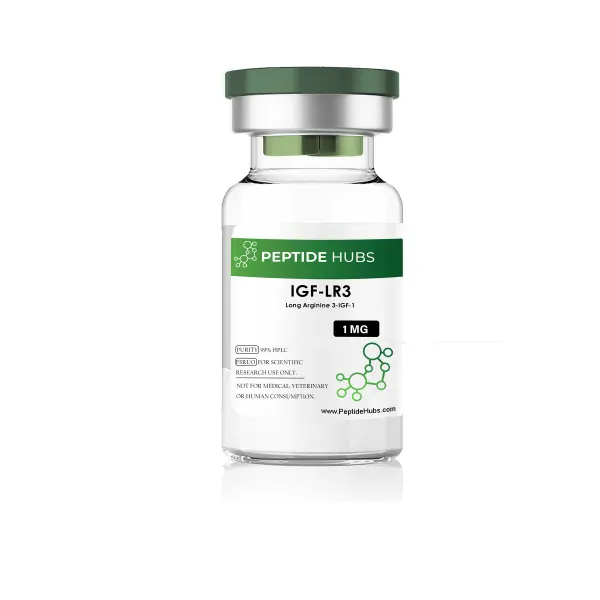
A typical IGF-1 LR3 peptide cycle lasts about 6 to 8 weeks, with doses often starting at 50 mcg and potentially increasing to 100 mcg per injection. It’s important to combine this with a proper workout regimen and diet for optimal results, while also ensuring medical supervision due to potential risks.
Understanding IGF-1 LR3 Peptides: A Comprehensive Guide
In the realm of health and fitness, the quest for optimal performance and well-being often leads enthusiasts to explore a variety of supplements. One such compound that has gained significant attention in recent years is IGF-1 LR3 peptides. This article delves into what IGF-1 LR3 peptides are, the health issues they aim to address, their discovery, usage, and the crucial role of health awareness and education.
What Are IGF-1 LR3 Peptides?
IGF-1 LR3, or Insulin-like Growth Factor-1 Long Arg3, is a synthetic variant of IGF-1, a naturally occurring hormone in the body that plays a vital role in growth and development. The “LR3” modification allows this peptide to have an extended half-life compared to its natural counterpart, which means it remains active in the bloodstream for a longer period of time. This enhancement increases its anabolic properties, making it a popular choice among bodybuilders and athletes looking to improve muscle growth, recovery, and overall performance.
The mechanism by which IGF-1 LR3 operates is fascinating. It mimics insulin at the cellular level, promoting cell growth and replication. This capability makes it particularly beneficial for individuals looking to enhance muscle mass or accelerate recovery from injuries. Furthermore, IGF-1 LR3 has been studied for its potential benefits in combating age-related muscle loss, known as sarcopenia, making it a topic of interest not just for athletes but also for older adults seeking to maintain their physical capabilities.
Health Issues Addressed by IGF-1 LR3
One of the primary health issues that IGF-1 LR3 peptides can help alleviate is muscle wasting. Conditions such as cachexia, which is commonly seen in patients with cancer or chronic illnesses, lead to significant muscle loss and weakness. IGF-1 LR3 has shown promise in promoting protein synthesis and muscle regeneration, which can help combat these debilitating conditions.
Additionally, some studies suggest that IGF-1 LR3 may support metabolic health by improving insulin sensitivity. This is particularly relevant given the rising prevalence of metabolic disorders like type 2 diabetes, where insulin signaling is impaired. By enhancing the body’s responsiveness to insulin, IGF-1 LR3 may play a role in maintaining healthy blood sugar levels.
However, it’s important to approach the use of IGF-1 LR3 with caution. Like any peptide, it must be used responsibly and under proper guidance. Misuse can lead to side effects and health complications, so consulting with healthcare professionals before starting any peptide cycle is crucial.
The Discovery and Usage of IGF-1 LR3
The journey of IGF-1 LR3 began in the broader context of growth factors—a class of proteins that promote cell growth and division. Research on IGF-1 dates back to the 1970s, when scientists first isolated it from human serum. Over the years, further modifications and enhancements were made, ultimately leading to the development of IGF-1 LR3 in the 1990s.
IGF-1 LR3 is typically utilized in cycles, which vary in length based on individual goals, experiences, and responses to the peptide. These cycles can last anywhere from 4 to 12 weeks, followed by breaks to allow the body to reset. During this period, users often report increased muscle size, improved recovery times, and enhanced endurance. However, potential users should educate themselves thoroughly about dosing, timing, and the importance of post-cycle therapy to mitigate any adverse effects or hormonal imbalances.
The Importance of Health Awareness and Education
As with any supplement, understanding the implications of using IGF-1 LR3 peptides is paramount. Knowledge is power, especially when it comes to personal health. Individuals considering a peptide cycle should prioritize health checks to ensure they are in a good state of wellness before beginning. Regular health assessments can reveal underlying conditions that might interfere with the benefits of IGF-1 LR3 or pose further risks.
Moreover, reading and researching extensively about IGF-1 LR3 and similar compounds is essential. Being informed allows individuals to make sound decisions rather than jumping into trends blindly. Peer-reviewed studies, reputable health websites, and consulting healthcare providers can provide invaluable insights. This proactive approach empowers individuals to take charge of their health, leading to safer and more effective use of supplements.
In conclusion, the IGF-1 LR3 peptides cycle presents exciting opportunities for enhanced performance, muscle growth, and metabolic health. Yet, it’s equally vital to recognize the importance of safe practices, health monitoring, and ongoing education. In the ever-evolving world of fitness and supplements, being well-informed is the best strategy for achieving long-term health and success. Always remember: your health is your greatest asset—invest in it wisely!
Post Footer automatically generated by Add Post Footer Plugin for wordpress.
