When it comes to optimizing growth hormone support, peptides like CJC-1295 and Ipamorelin have gained significant attention in the wellness community. Both are touted for their potential to stimulate the body’s natural production of human growth hormone (HGH), which plays a critical role in muscle growth, fat metabolism, recovery, and overall vitality. But if you’re exploring options like CJC-1295 vs Ipamorelin, how do you decide which peptide is better suited for your goals? In this article, we’ll break down their mechanisms, benefits, side effects, and practical considerations to help you make an informed choice.
Understanding the Basics: What Are CJC-1295 and Ipamorelin?
CJC-1295 is a synthetic analog of growth hormone-releasing hormone (GHRH), designed to stimulate the pituitary gland to release more HGH. Its unique structure allows for a longer half-life in the bloodstream, meaning it can elicit a more sustained release of growth hormone. This prolonged effect can be advantageous for those looking to maintain steady HGH levels without frequent dosing.
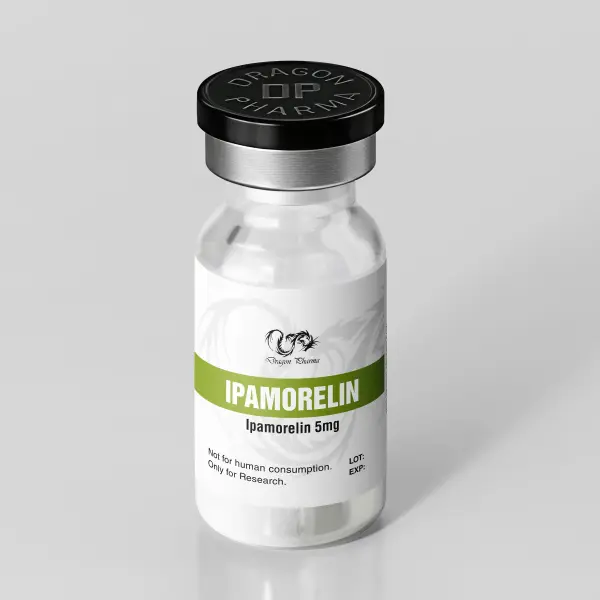
On the other hand, Ipamorelin is a growth hormone secretagogue that mimics ghrelin, often called the “hunger hormone.” However, unlike other ghrelin mimetics, Ipamorelin selectively stimulates growth hormone release with minimal impact on other hormones such as cortisol or prolactin. It acts quickly and has a shorter half-life compared to CJC-1295 but is prized for its more controlled and targeted action.
So, when comparing CJC-1295 vs Ipamorelin, the primary difference lies in their modes of action and duration of effect—CJC-1295 promotes a longer-lasting HGH release, while Ipamorelin offers quicker but more transient stimulation.
Benefits of CJC-1295 and Ipamorelin for Growth Hormone Support
Both peptides share the common goal of enhancing growth hormone levels, but they each bring distinct benefits:
- CJC-1295 Benefits: Due to its extended half-life, CJC-1295 can increase IGF-1 (insulin-like growth factor 1) levels effectively over time. IGF-1 is crucial for muscle repair, fat metabolism, and cellular regeneration. Many users report improved sleep quality, increased lean muscle mass, faster recovery from injury, and enhanced fat loss. Because it stimulates HGH release gradually, it may also reduce the risk of sudden spikes that some find undesirable.
- Ipamorelin Benefits: Ipamorelin’s advantage lies in its precision—it selectively boosts HGH without triggering unwanted hormone surges. This makes it an excellent choice for those who want growth hormone support that minimizes side effects like increased appetite or cortisol elevation. Athletes and fitness enthusiasts often prefer Ipamorelin for its ability to improve recovery times, enhance joint health, and promote fat breakdown, all with a low risk of adverse reactions.
Interestingly, some practitioners combine both peptides to leverage the sustained release of CJC-1295 with the rapid action of Ipamorelin, aiming for a synergistic effect that maximizes HGH secretion while reducing side effects.
Potential Side Effects and Safety Considerations
No discussion of CJC-1295 vs Ipamorelin would be complete without addressing safety. Both peptides are generally considered safe when used responsibly under medical supervision, but awareness of possible side effects is essential.
For CJC-1295, some users experience injection site irritation, water retention, or mild flushing. Because it raises IGF-1 levels significantly, there is a theoretical risk of promoting abnormal cell growth, so monitoring is advised. Prolonged use without breaks might also increase tolerance or reduce effectiveness over time.
Ipamorelin tends to have a cleaner side effect profile. Mild headaches, dizziness, or nausea can occur but are usually rare and transient. Thanks to its selective stimulation, it rarely affects cortisol or prolactin, which minimizes hormonal imbalances. Nonetheless, as with any peptide therapy, improper dosing or unsupervised use carries risks.
Both peptides are not approved by the FDA for general use and are typically available through compounding pharmacies or research channels. Ensuring product purity and obtaining peptides from reputable sources is vital to minimize contamination and dosing errors.
Which Peptide Is Better for You? Making the Choice
Choosing between CJC-1295 vs Ipamorelin depends largely on your individual goals, lifestyle, and how your body responds to treatment.
- If you want a longer-lasting growth hormone boost with fewer injections and are comfortable with a gradual HGH increase, CJC-1295 might be the better option. It suits those focusing on anti-aging, improved sleep, and ongoing metabolic support.
- If you prefer a cleaner, more targeted stimulation of growth hormone with minimal side effects and don’t mind more frequent dosing, Ipamorelin could be ideal. It’s often favored by athletes working on rapid recovery and fat loss without the unwanted hormonal ripple effects.
For those seeking an optimized growth hormone regimen, combining both peptides under expert guidance can provide balanced HGH release—CJC-1295 sustaining baseline levels and Ipamorelin providing quick bursts as needed.
Ultimately, consulting with a knowledgeable healthcare provider who specializes in peptide therapies is crucial. They can tailor a protocol based on your medical history, hormone levels, and wellness objectives, ensuring both safety and efficacy.
Final Thoughts
The debate of CJC-1295 vs Ipamorelin doesn’t have a one-size-fits-all winner. Each peptide offers unique strengths in supporting growth hormone secretion, with distinct profiles that appeal to different users. While CJC-1295 excels in sustained HGH elevation, Ipamorelin provides a precise and rapid stimulus with fewer side effects.
As interest in peptide therapies continues to grow, understanding these nuances empowers you to make smarter choices on your journey to better health, enhanced performance, and improved vitality. Whether you choose CJC-1295, Ipamorelin, or a combination of both, prioritizing quality, dosage, and professional guidance will help you unlock the full benefits of growth hormone support safely and effectively.
Frequently Asked Questions
What are the primary differences between CJC-1295 and Ipamorelin in terms of their mechanisms of action?
CJC-1295 and Ipamorelin are both peptides that promote growth hormone (GH) release, yet their mechanisms differ significantly. CJC-1295 is a Growth Hormone-Releasing Hormone (GHRH) analog that increases GH secretion through stimulation of the pituitary gland. It has a longer half-life due to its ability to bind to albumin, allowing for a prolonged action in the body. Conversely, Ipamorelin is a selective Ghrelin mimetic that specifically targets growth hormone secretagogue receptors, stimulating GH release without significantly affecting cortisol or prolactin levels. This selectivity makes Ipamorelin a gentler option, potentially reducing side effects related to GH release.
Which peptide is considered more effective for long-term growth hormone support?
The effectiveness of CJC-1295 versus Ipamorelin for long-term growth hormone support largely depends on individual goals and response to the peptides. CJC-1295’s sustained release pattern makes it suitable for individuals looking for a continuous increase in GH levels, thus promoting muscle growth, fat loss, and recovery over an extended period. On the other hand, Ipamorelin is valued for its targeted action and minimal side effects, making it appealing for individuals seeking a more balanced approach to managing GH levels without the risk of overstimulation. Ultimately, the choice should be guided by personal health objectives and the recommendation of a healthcare professional.
Are there any significant side effects associated with CJC-1295 and Ipamorelin?
Both CJC-1295 and Ipamorelin are generally well-tolerated, but they do come with potential side effects. CJC-1295 may lead to reactions such as mild swelling at the injection site, headaches, and transient water retention due to increased GH levels. Ipamorelin, being more selective, tends to have fewer side effects, although some users have reported similar injection site reactions and, occasionally, slight gastrointestinal discomfort. It is important to consult with a healthcare provider to monitor any adverse effects and to ensure the peptides are used safely and effectively.
Can CJC-1295 and Ipamorelin be used together, and if so, what are the benefits?
Using CJC-1295 and Ipamorelin in tandem is a strategy employed by some individuals seeking synergistic effects on growth hormone release. CJC-1295 can provide a sustained release pattern of GH, while Ipamorelin offers a precise and potent action. When combined, the two can create a dual-stimulus effect that maximizes GH secretion while potentially minimizing the side effects associated with each peptide when used independently. Those considering this approach should do so under the supervision of a qualified healthcare professional to tailor dosages effectively and ensure safety.
How should individuals determine which peptide, CJC-1295 or Ipamorelin, is best suited for their needs?
Determining whether CJC-1295 or Ipamorelin is best suited for individual needs involves several factors, including health status, specific goals (e.g., muscle growth, fat loss, recovery), and tolerance to hormonal modulation. A thorough consultation with a healthcare professional specializing in peptide therapy is crucial. They will evaluate an individual’s medical history, current health conditions, and lifestyle goals. By considering these factors, a tailored plan can be developed to maximize benefits while minimizing risks associated with peptide use, ensuring that the choice aligns with the individual’s health objectives and overall well-being.