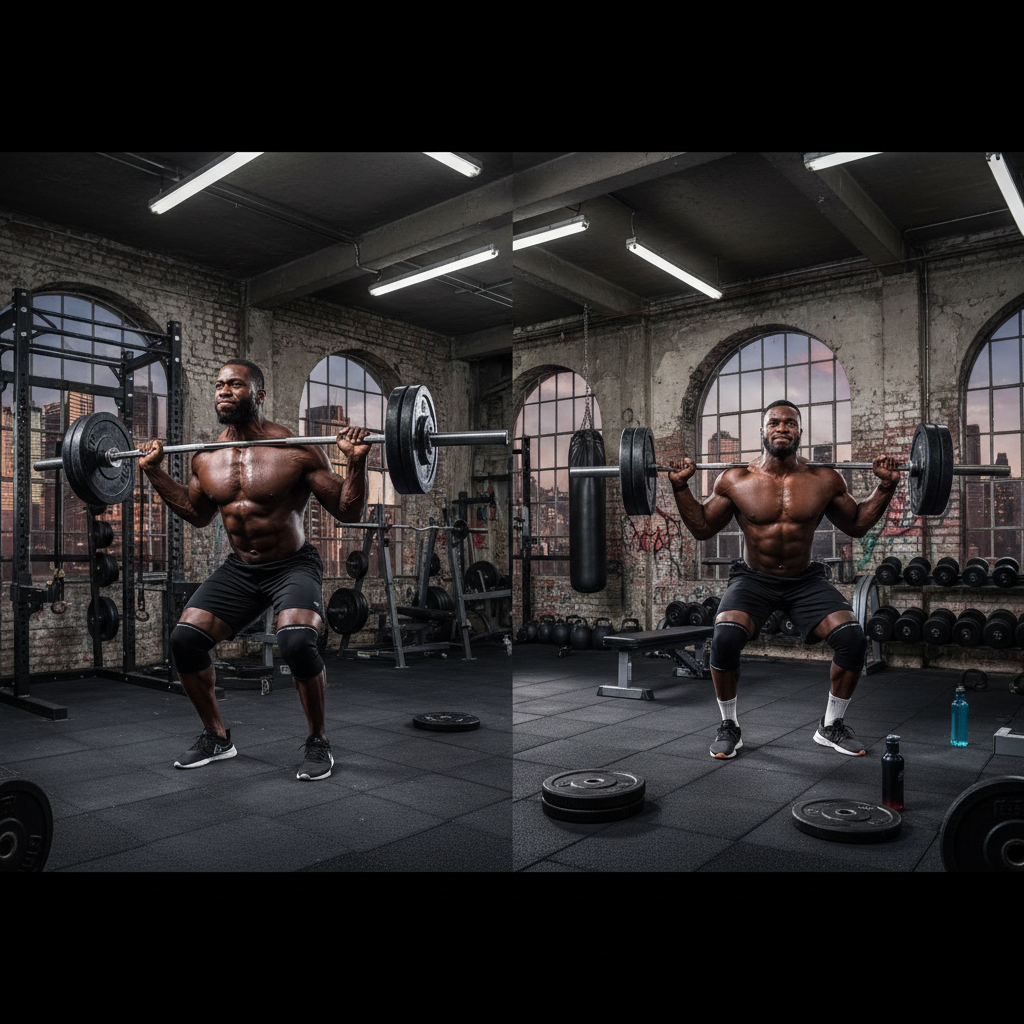
When it comes to squats, few exercises rival their effectiveness for building muscle and strength. But among the various squat variations, two stand out as staples in bodybuilding and strength training routines: the front squat and the back squat. Both have their unique advantages and intricacies, making them popular choices depending on goals and individual biomechanics. So, which one truly builds more strength and muscles? Let’s dive deep into understanding these two powerhouse moves.
Understanding the Basics: What Are Front Squats and Back Squats?
Before comparing their benefits, it’s essential to clarify what each squat involves.
Front Squat
In a front squat, the barbell rests across the front of your shoulders, near the collarbone, often supported by crossing your arms or using a clean grip. This positioning demands an upright torso, engaging different muscle groups more intensively. Because of the bar location, the front squat requires greater core stability and flexibility in the wrists and shoulders.
Back Squat
The back squat is the classic squat variation that most lifters recognize. The barbell sits on the trapezius muscles behind the neck or lower across the rear deltoids (high-bar vs low-bar back squat). This allows you to lean slightly forward at the hips while maintaining a neutral spine. The back squat generally permits heavier loads due to the favorable leverage and engagement of larger muscle groups.
Muscle Activation: Which Squat Works More Muscles?
Both front and back squats target the lower body muscles extensively but emphasize slightly different areas.
Front Squat Muscle Engagement
Front squats place more emphasis on the quadriceps due to the more vertical torso position. The upright posture requires significant activation of the core muscles, including the abdominals and spinal erectors, to stabilize the weight. Additionally, the glutes and hamstrings contribute to the movement but play a somewhat secondary role compared to the quads.
Back Squat Muscle Engagement
Back squats are well-known for their all-around lower body muscular recruitment. They heavily engage the glutes, hamstrings, and quadriceps. The hip-dominant nature of the back squat means your posterior chain (glutes, hamstrings, lower back) is significantly activated. This makes the back squat particularly useful for developing overall leg mass and raw strength.
Strength Gains: Which Squat is Superior for Building Strength?
Determining which squat builds more strength depends on how you define “strength” and your specific training goals.
Why Back Squats Often Yield Higher Strength Numbers
Because the barbell is placed on your back, allowing a forward-leaning torso, many lifters can load more weight during back squats compared to front squats. This mechanical advantage translates into greater maximal strength gains, especially for athletes focused on powerlifting-style movements. The extensive recruitment of the posterior chain also contributes to overall force production.
Front Squats and Functional Strength
While front squats typically involve lighter loads, they promote excellent functional strength through enhanced core stability and mobility. The upright posture mimics real-world lifting positions and reinforces proper squat mechanics. For athletes prioritizing balanced strength and technique, front squats are a valuable tool.
Bodybuilding Considerations: Which Squat Helps Build More Muscle?
When your primary goal is bodybuilding, muscle hypertrophy and muscle symmetry become paramount. How do these squats stack up for muscle growth?
Front Squats for Enhanced Quadriceps Development
Because front squats emphasize the quads, they are ideal for bodybuilders aiming to sculpt their thigh muscles with precision. The demanding core engagement also improves overall posture and stability, contributing to better form in other lifts.
Back Squats for Overall Leg Mass
Back squats offer a more comprehensive stimulus for the entire lower body. The ability to handle heavier weights helps generate greater mechanical tension on multiple muscle groups, a key driver of muscle hypertrophy. This makes back squats a foundation exercise in many bodybuilding programs focused on mass gain.
Which Should You Choose: Front Squat or Back Squat?
Ultimately, the decision between front squat vs back squat isn’t about which is universally better but rather which aligns best with your goals, body mechanics, and training preferences.
- If you want to maximize raw strength and develop overall leg mass, incorporating back squats should be a priority.
- If your emphasis is on quad definition, core strength, and improved squat technique, front squats offer unique advantages.
- Many athletes and bodybuilders find value in including both variations for a balanced, well-rounded leg training regimen.
FAQs About Front Squat vs Back Squat
1. Can I build as much muscle doing front squats as back squats?
Yes, front squats effectively build muscle, especially in the quadriceps and core, but back squats allow for heavier loads and recruit more muscle groups overall, which can aid in greater hypertrophy.
2. Which squat is safer for the knees?
Front squats tend to be easier on the knees because of the more upright posture, reducing shear forces. However, proper form matters most for injury prevention in both.
3. Do front squats require more flexibility?
Yes, front squats demand better wrist, shoulder, and thoracic spine mobility to hold the bar properly.
4. Can beginners start with front squats?
Front squats can be challenging for beginners due to the technical demands, so many start with bodyweight or goblet squats before progressing.
5. How often should I alternate between front and back squats?
It depends on your goals, but incorporating both 1–2 times weekly can enhance muscle balance and prevent training plateaus.
If you’ve tried front squats, back squats, or both, I’d love to hear about your experiences. Which squat helped you the most in building strength or muscle? Your feedback helps create even better content tailored to your fitness journey! Feel free to share your thoughts below.