In recent years, peptides have attracted significant attention in both the health and medical fields for their potential therapeutic and cosmetic applications. Among these intriguing biomolecules, Melanotan 2 stands out as a peptide that has garnered interest due to its distinctive properties and effects on skin pigmentation. But what exactly is Melanotan 2? When was it discovered, how is it used, and most importantly, is it safe? In this article, we’ll explore the history, mechanism, applications, and current research surrounding Melanotan 2, offering a comprehensive look at this fascinating peptide.
The Discovery and Origins of Melanotan 2
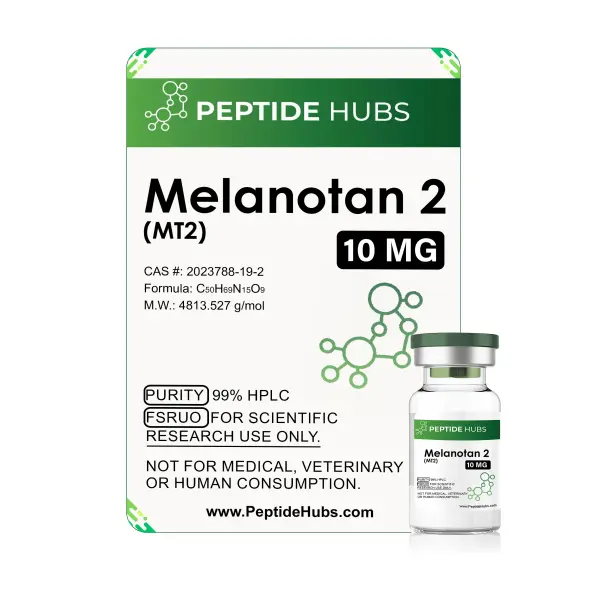
Melanotan 2 is a synthetic analog of the alpha-melanocyte-stimulating hormone (α-MSH), which naturally occurs in the human body. The peptide was first developed in the late 1980s and early 1990s by researchers aiming to mimic and enhance the effects of α-MSH, primarily for its ability to increase melanin production in the skin. Melanin, as many know, is the pigment responsible for the coloration of our hair, skin, and eyes, and plays a crucial role in protecting skin cells from ultraviolet (UV) radiation damage.
The original goal of creating Melanotan 2 was to develop an agent that could stimulate tanning without direct exposure to sunlight, thereby potentially reducing the risks associated with UV radiation, including sunburn and skin cancer. The peptide is part of a broader family known as melanocortin peptides, which are involved in a variety of biological functions besides pigmentation, such as appetite regulation and sexual function.
How Is Melanotan 2 Used?
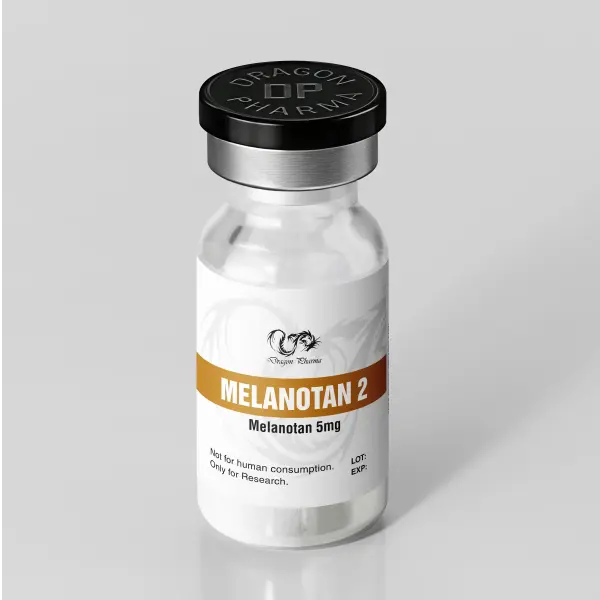
Melanotan 2 is primarily administered through subcutaneous injections, where it acts on melanocortin receptors in the skin to boost melanin production. Users typically report a gradual tanning effect over days or weeks, even with minimal sun exposure. This attribute has made Melanotan 2 popular among individuals seeking a quick and longer-lasting tan without prolonged sunbathing or tanning beds.
Beyond its cosmetic use for tanning, Melanotan 2 has also been explored for several other potential applications. Some studies suggest it may have properties that induce sexual arousal or improve erectile function, though these uses are less well-established and require further clinical validation.
It’s important to note that Melanotan 2 is often sold online as an unregulated product and is not approved by major health authorities like the U.S. Food and Drug Administration (FDA) or the European Medicines Agency (EMA) for self-administration. Despite this, its popularity persists in alternative health and beauty circles.
What Does Research Say About Melanotan 2 and Health?
Research into Melanotan 2 remains an evolving field. Early clinical trials and animal studies confirmed the peptide’s effectiveness in stimulating melanin production and provided insights into its pharmacological profile. These studies paved the way for considering Melanotan 2 as a potential preventive measure against UV-induced skin damage.
On the health front, some experimental results hint at additional benefits, such as appetite suppression and increased energy expenditure, linked to the peptide’s action on melanocortin receptors in the brain. However, comprehensive human trials are limited, and much of the data comes from anecdotal reports rather than rigorous scientific evidence.
More recently, scientists have been investigating how peptides like Melanotan 2 could be harnessed or modified for medical purposes beyond pigmentation, including immune modulation and neuroprotection, yet these areas are still largely speculative.
Is Melanotan 2 Safe to Use?
Safety concerns surrounding Melanotan 2 primarily arise because it is often used outside of controlled clinical settings and lacks formal approval. While many users report minimal side effects, others experience reactions such as nausea, flushing, increased blood pressure, darkening of moles or freckles, and occasional dizziness.
More worrying are reports linking the peptide to unpredictable skin changes and potential long-term risks, including the theoretical possibility of promoting melanoma, a dangerous form of skin cancer, due to its effect on melanocytes. However, definitive evidence connecting Melanotan 2 to cancer in humans remains inconclusive.
Medical professionals generally caution against the unsupervised use of Melanotan 2, emphasizing the importance of more robust clinical trials to thoroughly evaluate its safety profile. Because peptides like Melanotan 2 often come from unregulated sources, the risk of contamination or incorrect dosing is also a concern.
Conclusion: A Promising Peptide with Cautionary Notes
Melanotan 2 is a compelling example of how peptides can influence health and appearance through targeted biochemical pathways. Discovered nearly three decades ago, it has attracted attention for providing a sunless tan along with possible broader health effects. Yet, despite the promising aspects illuminated by early research, Melanotan 2 remains a peptide that should be approached with caution.
Its popularity underscores a growing interest in peptide-based therapies and products, but also highlights the need for greater scientific inquiry and regulatory oversight. For those intrigued by Melanotan 2, staying informed through credible research and consulting healthcare professionals is crucial before considering its use.
As science advances, the story of Melanotan 2 and related peptides will likely unfold further, potentially opening new doors in medicine and health. Until then, balancing enthusiasm with prudence is key when navigating this evolving landscape of peptide research and application.
Related Links